
Guard Your Home Against Localized Basement Water Damage with Smart Drainage Solutions
Keeping your basement dry by tackling localized water damage with smart drainage solutions is key to protecting your home’s foundation and ensuring healthy indoor air. Here at Thor Basement Waterproofing Kentucky, we bring our local knowledge of Kentucky’s soil conditions together with top-tier basement drainage strategies to keep your home or business safe from water intrusion. This guide will walk you through the common culprits behind those specific basement leaks, the early warning signs and lasting effects of moisture, how interior and exterior drainage and waterproofing work, foundation repair services, what to expect cost-wise in Kentucky, and simple upkeep tips to keep your waterproofing system in top shape.
Common Causes of Specific Basement Water Leaks
Localized basement water damage happens when specific pressure points or flaws let groundwater seep through foundation materials, weakening the structure and encouraging mold. Knowing these causes helps us create focused solutions that improve drainage and stop recurring dampness. For instance, a tiny crack in a basement wall can channel a surprising amount of water under pressure, leading to persistent damp patches. Our team specializes in basement waterproofing Kentucky, addressing these common issues with precision. We offer comprehensive basement waterproofing solutions designed to tackle these very problems.
Before we get into fixing things, let’s look at the main reasons this happens:
- Cracks in the foundation can form due to soil shifting or frost heave, creating paths for water to push through under pressure.
- Hydrostatic pressure builds up when wet soil pushes against foundation walls, forcing water into even the smallest openings.
- Poor ground sloping and blocked gutters cause surface water to collect near the foundation, raising the local groundwater level.
- Cove joints (where walls meet floors) and window wells create gaps at the base of walls and low exterior spots where water can gather and seep in.
Tackling each of these issues is the first step toward effective drainage strategies and targeted repairs that bring back a dry, secure basement. Our experienced basement waterproofing Kentucky professionals are here to help.
How Foundation Cracks Allow Water In
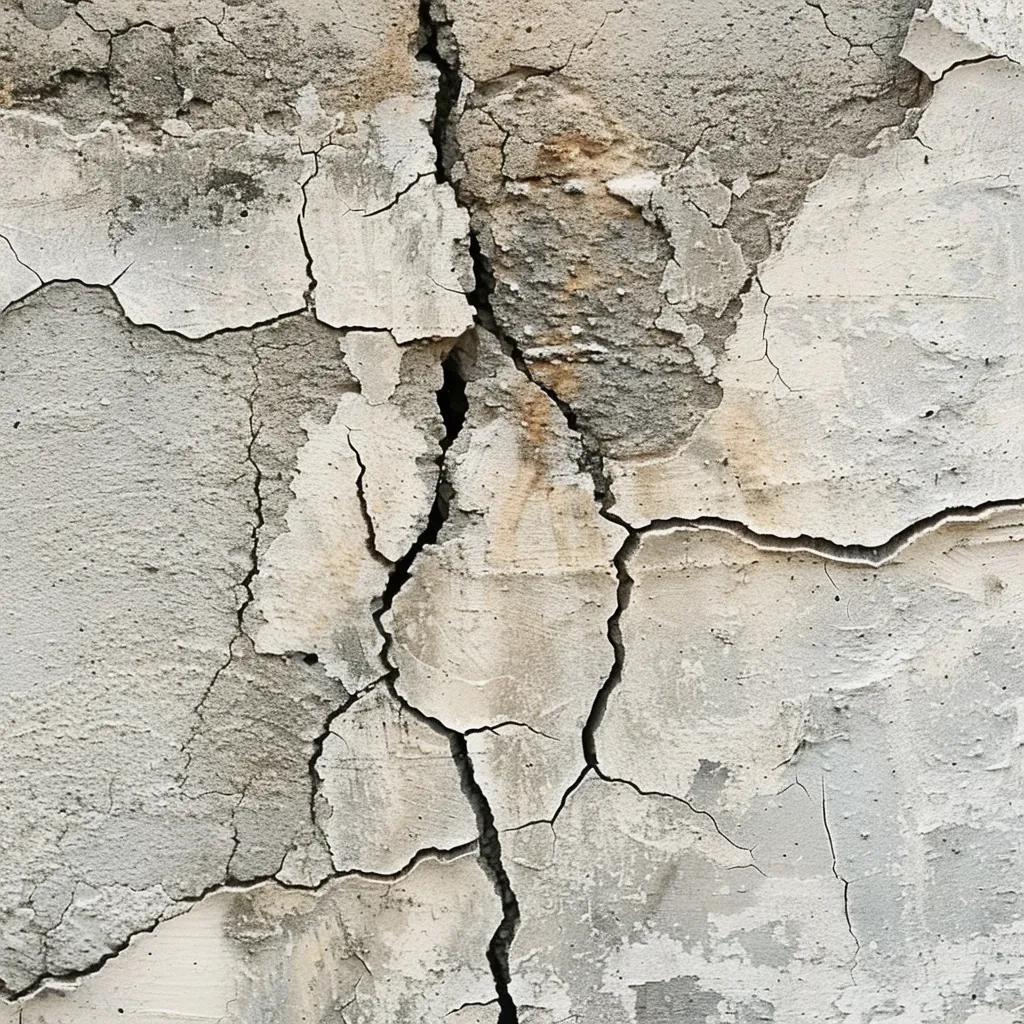
Foundation cracks act like direct conduits through concrete or block walls, allowing groundwater to enter your basement. When the soil under the foundation shifts or settles, it creates stress that results in vertical, horizontal, or stair-step cracks. Water naturally follows the path of least resistance, and even very fine cracks can let in a lot of moisture over time. Sealing these cracks with epoxy or polyurethane injections restores the wall’s integrity and stops further seepage. This is a key part of our basement waterproofing services.
Foundation Cracks and Water Intrusion
Foundation cracks can allow water to seep into basements, leading to significant moisture problems. These cracks often result from soil settlement or frost heave, creating pathways for water to enter under pressure. Sealing these cracks is crucial to prevent further water damage and maintain the structural integrity of the foundation.
The Role of Hydrostatic Pressure in Specific Leaks
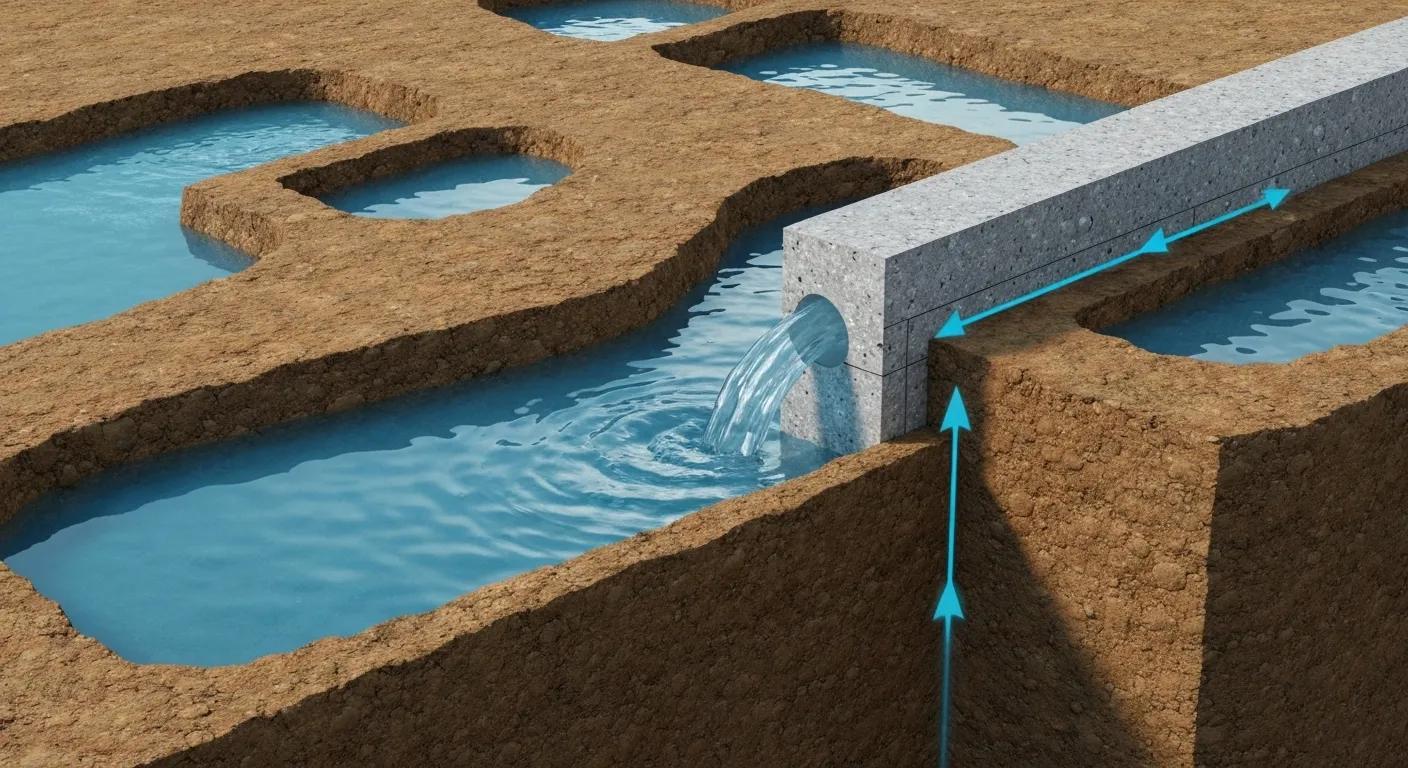
Hydrostatic pressure occurs when groundwater collects in soil pores and pushes against foundation walls and floor slabs. When this sideways pressure becomes greater than the concrete’s strength, water is forced through pores and tiny cracks. By relieving this pressure with interior French drains or exterior drainage membranes, we strengthen the walls and guide excess water away before it can get through the foundation.
Hydrostatic Pressure and Basement Leaks
Hydrostatic pressure, caused by groundwater accumulation, can force water through foundation walls and floor slabs. This pressure can exceed the concrete’s tensile strength, leading to water intrusion. Relieving this pressure through drainage systems is essential to protect the foundation.
How Poor Grading and Gutter Systems Cause Basement Water Issues
When the ground slopes toward your house or gutters are clogged, rainwater gets concentrated right at the foundation. This extra surface water raises the local water table, saturates the soil against your basement walls, and increases hydrostatic pressure. Extending downspouts and re-sloping the ground to direct water away from the building improves surface drainage, protecting vulnerable areas from repeated water exposure.
Other Localized Water Entry Points: Cove Joints and Window Wells
Cove joints—where the wall meets the floor—often have shrinkage gaps and mortar voids that let groundwater in under pressure.
Window wells can collect rain and melting snow, allowing water to pool against basement windows and seep through seals. Installing interior cove-joint drainage channels and window-well covers with proper drainage gravel eliminates these specific entry points and directs water safely to a sump pump system.
Signs and Impacts of Localized Basement Water Damage
Catching moisture issues early prevents mold, structural damage, and a drop in property value. Visible clues and subtle changes in air quality signal when it’s time to act.
Most of the time, homeowners spot surface signs before major damage occurs. Recognizing these signs allows for prompt drainage improvements and repairs.
Spotting Efflorescence and Musty Odors in Your Basement
Efflorescence shows up as white, powdery mineral deposits on concrete walls or floors when water evaporates and leaves salts behind. A persistent musty smell indicates high humidity that encourages mold growth. Checking for these signs near wall-floor joints and window wells helps pinpoint areas where localized water intrusion needs specific drainage or sealant treatment.
Structural and Health Risks of Localized Moisture
Localized moisture can weaken wooden joists, leading to rot and sagging floors, and speed up the corrosion of steel reinforcements embedded in the concrete. Mold spores thrive in damp conditions, releasing allergens and mycotoxins that harm indoor air quality and can cause respiratory problems. Addressing these hazards improves the long-term safety of your building and the health of those inside.
How Localized Water Damage Affects Property Value
Basement moisture and visible water stains can reduce resale value by as much as 10 percent, as buyers factor in repair costs and potential mold cleanup. Dry, well-drained basements offer usable living space, maintain structural integrity, and give potential buyers peace of mind, boosting the overall appeal of your property.
Interior Localized Basement Drainage Solutions to Prevent Water Damage
Interior localized drainage systems catch groundwater before it spreads across the floor slab or seeps through walls, directing it to a sump pump or a designated discharge area. These systems effectively relieve hydrostatic pressure and make your basement more livable.
Understanding Interior French Drains and Their Function
An interior french drain is essentially a perforated pipe placed in a gravel-filled trench along the basement’s perimeter. As groundwater seeps through the floor slab, it enters the pipe and flows, either by gravity or a slight slope, to a sump pit. From there, a sump pump pushes the water away from the foundation.
This setup relieves hydrostatic pressure right next to the walls and stops water from migrating inward under the slab.
How Sump Pump Systems Effectively Remove Localized Water
Sump pump systems use submersible or pedestal pumps located in a sump pit to remove collected water. A float switch turns the pump on when the water reaches a certain level, pushing the moisture out through a discharge line. Models with battery backups keep the system running during power outages, protecting against sudden flooding.
When to Use Basement Wall and Floor Sealants
Epoxy or polyurethane sealants bond to concrete surfaces, filling tiny cracks and creating a waterproof barrier. Hydraulic cement is used to patch larger openings where active leaks are present. Sealants work best in low-pressure situations or as an added layer of protection after installing a drainage system to ensure complete moisture control.
How Crawl Space Encapsulation Helps Control Moisture
Crawl space encapsulation involves installing a tough vapor barrier across the floor and walls, then sealing off vents and openings. When combined with a dedicated dehumidifier, this method reduces moisture transfer from the ground and stabilizes humidity levels, preventing localized damp spots and mold in nearby basements.
Exterior Waterproofing Methods to Prevent Localized Basement Water Damage
Exterior waterproofing stops water before it even reaches the foundation wall, addressing specific water entry points and hydrostatic pressure right at the source. Our team is adept at providing comprehensive basement waterproofing Kentucky solutions.
Exterior Foundation Waterproofing Membranes and Their Benefits
Waterproof membranes are applied to the outside of foundation walls after excavation, creating an impermeable shield against groundwater. These membranes—often made from polymers or rubberized asphalt—protect against water intrusion and reduce stress on the wall when paired with exterior drainage pipes.
How Proper Grading and Landscape Drainage Protect Your Basement
Re-sloping the ground so it directs water away from the foundation ensures rainwater flows toward designated drainage areas. Adding downspout extensions, swales, and dry wells diverts surface runoff, reducing water pooling around cove joints and window wells that can otherwise lead to specific seepage issues.
Effectiveness of Exterior French Drains for Localized Water Prevention
Exterior french drains—which are trench drains lined with filter fabric, gravel, and a perforated pipe—collect and redirect groundwater away from the foundation. By lowering the local water table, these systems prevent hydrostatic pressure from building up and stop water from finding entry points through weaker spots in basement walls.
Foundation Repair Services Addressing Localized Water Damage Causes
Foundation repair services restore structural strength and seal up flaws that act as water entry points. Addressing both structural integrity and waterproofing prevents leaks from coming back. We understand that foundation problems can be a significant concern for homeowners, and our team is equipped to handle them.
How Foundation Crack Repair Prevents Water Seepage
Injecting epoxy or polyurethane into foundation cracks fills and bonds with the concrete, closing off pathways for water intrusion and restoring tensile strength. This repair method is ideal for vertical and narrow fractures where drainage alone can’t stop the seepage.
When Carbon Fiber Reinforcement is Needed for Structural Stability
Carbon fiber straps are adhered to foundation walls to resist bowing and sideways movement caused by soil pressure. In situations where cracks are accompanied by wall deflection, carbon fiber reinforcement stabilizes the structure while drainage systems manage moisture.
Cost of Localized Basement Waterproofing in Kentucky
The cost of localized basement waterproofing varies depending on the complexity of the system, the materials used, and the specific site conditions. Clear pricing helps homeowners plan their budgets and compare different options. We provide transparent estimates for our basement waterproofing Kentucky services.
Factors Influencing the Cost of Interior Drainage Systems
The price of interior drainage systems is affected by the quality of materials, the length of the trenching required, the pump’s capacity, and local labor rates. Systems that need extensive floor removal or intricate piping will naturally have higher installation costs.
How Sump Pump Installation Prices Vary by Type and Complexity
Submersible sump pumps typically cost between $800 and $2,500, while pedestal units start around $500. Adding a battery backup system increases the cost by $300–$600, and high-capacity pumps for larger basements can go up to $4,000.
Exterior Waterproofing Services Versus Interior Solutions Cost Comparison
Exterior waterproofing generally costs 20–40 percent more than interior methods due to the need for excavation, backfilling, and specialized membrane materials. However, it offers long-term protection right at the source, potentially lowering maintenance and energy costs over time.
Maintaining and Extending the Life of Your Basement Waterproofing System
Regular maintenance ensures that your drainage systems and waterproofing measures continue to work effectively, preserving your foundation’s health and your home’s comfort.
Recommended Maintenance Schedule for Drainage Systems
Inspect floor drains and gravel trenches every three months to make sure no sediment is blocking the perforated pipes. Service your sump pumps and their backup batteries twice a year to confirm they operate reliably when needed.
Inspecting and Servicing Your Sump Pump Regularly
To test a sump pump, pour water into the pit to check if the float switch activates and if water is being discharged properly. Clean any debris from the pit and inspect the discharge line for blockages. Replace worn float switches or check valves as necessary.
Best Practices for Basement Humidity Control
Keeping indoor humidity below 60 percent helps prevent mold and mildew. Use a dedicated dehumidifier with a drainage line and ensure good air circulation by installing vents or low-speed fans. Sealing up crawl space and wall penetrations further improves moisture management.
Preventing localized basement water damage calls for a smart approach that includes analyzing the causes, installing targeted drainage systems, and making necessary structural repairs. By addressing foundation cracks, hydrostatic pressure, and grading issues, property owners can protect their basements with effective interior and exterior solutions. Consistent maintenance of sump pumps, drains, sealants, and humidity controls ensures these protective measures remain dependable over the years. Get in touch with Thor Basement Waterproofing Kentucky today to book an inspection and safeguard your property from specific water intrusion.