
How Kentucky Waterproofing Services Combat Mold
In Kentucky, mold is a common issue for both homeowners and business owners, typically caused by water intrusion, inadequate waterproofing, and high humidity. At Thor Basement Waterproofing Kentucky, we know how quickly moisture issues can turn into full-blown mold problems, impacting everything from your property’s structure to your family’s health. That’s why our basement waterproofing services focus on preventing water entry in the first place, with proven solutions for basements, crawl spaces, and foundations.
We break down how water leaks trigger mold growth, and why basement waterproofing Kentucky is more than just a fix—it’s a long-term investment in your home’s health and value. Our approach blends practical moisture control with mold prevention strategies to help maintain clean air, solid structures, and peace of mind. Keep reading to learn how our basement waterproofing services keep your space dry, healthy, and protected for years to come.
Key Takeaways
- Waterproofing is essential for reducing moisture levels that lead to mold growth.
- Kentucky’s damp climate increases the risk of mold without proper water intrusion control.
- Professional waterproofing services deliver solutions from interior drainage systems to exterior repairs.
- Regular inspections and maintenance are crucial for long-term mold defense and cleaner indoor air.
- Investing in quality waterproofing increases property value, safeguards structure, and promotes a healthy environment.
Understanding Mold Growth in Kentucky Residences
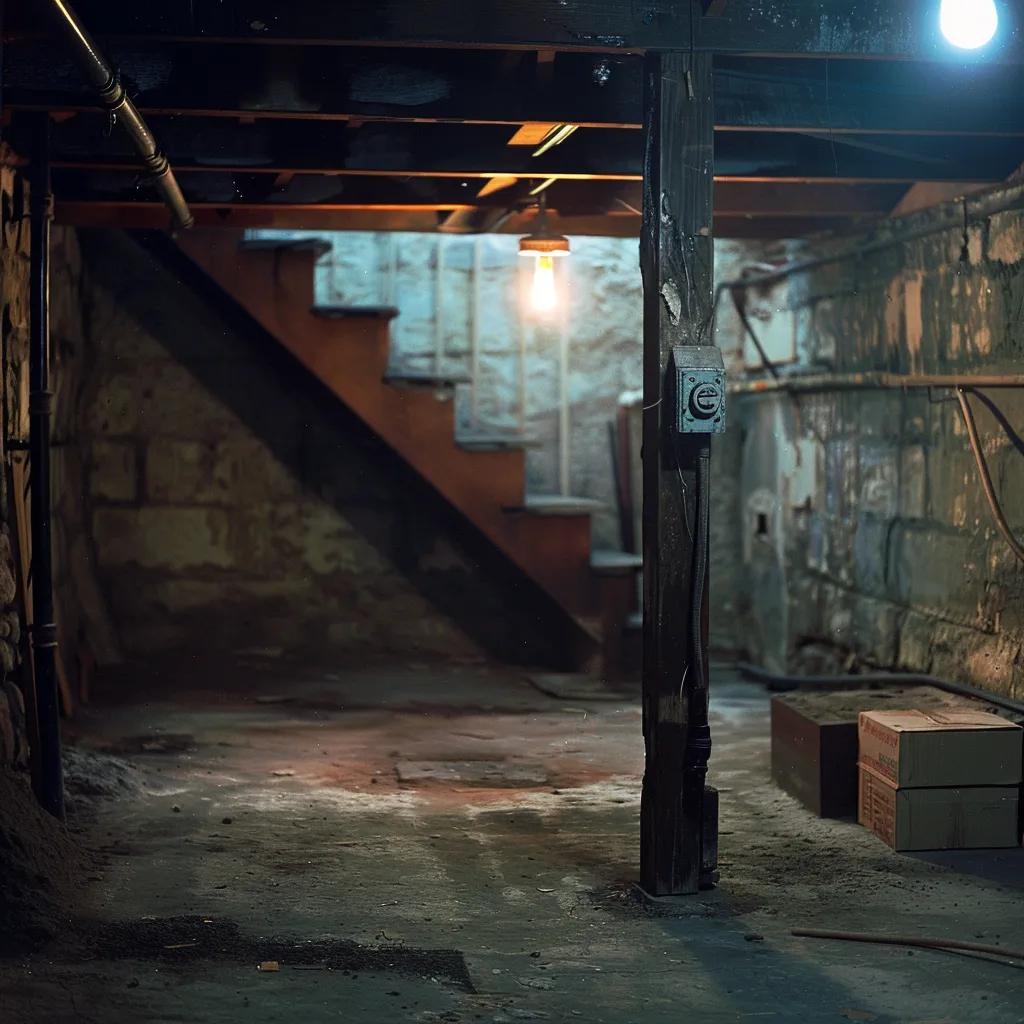
Mold grows when moisture accumulates in basements, crawl spaces, and exterior walls. This fungus feeds on moisture and organic materials like wood, drywall, and dust. It reproduces rapidly when humidity exceeds 60% and temperatures are moderate. In many homes, mold can develop unnoticed behind walls or under flooring, eventually causing cosmetic and severe structural damage.
Common Mold Types Found in Kentucky Properties
In Kentucky, common mold species include Cladosporium, Penicillium, and Aspergillus. Cladosporium typically grows on painted surfaces and may resist standard cleaning agents. Penicillium thrives in areas with consistently high moisture, like basements and bathrooms. Aspergillus can pose health risks if its spores become airborne, triggering allergies or respiratory issues in sensitive individuals. Each mold type may require different targeted treatments.
Health Concerns Associated With Household Mold Exposure
Mold exposure can cause allergic reactions, asthma attacks, and respiratory infections, especially for those with compromised immune systems. Mold spores irritate the eyes, nose, and throat, and prolonged exposure may lead to toxic effects if mycotoxins are present. Increased indoor mold levels have been linked to chronic respiratory conditions, emphasizing the importance of swift action through proper maintenance and professional waterproofing.
Identifying Telltale Signs of Mold Infestations
Early detection of mold is critical. Typical signs include musty odors, discoloration on walls or ceilings, and fuzzy spots in black, green, or other colors. Infestations may also occur in hidden areas behind carpeting or wallpaper. Increased moisture readings, window condensation, or unexplained allergy symptoms may signal hidden mold growth. Prompt identification helps limit both remedial work and costs.
Why Kentucky’s Climate Contributes to Mold Issues
Kentucky’s climate features high humidity, cold winters, and heavy rains—all ideal conditions for mold. In winter, condensation on poorly insulated surfaces can cause moisture buildup, while spring and fall storms allow water to seep into basements and crawl spaces. These cyclic weather patterns make regular waterproofing and maintenance essential, as even minor water intrusions can create prolonged damp conditions that promote mold growth.
The Critical Link Between Moisture and Mold Proliferation
Moisture is the key driver behind mold proliferation. Without moisture, mold cannot thrive. Water intrusion increases overall humidity and creates an environment where mold spores germinate quickly. Even a small excess of moisture, especially in poorly ventilated or insulated areas, can tip the balance in favor of mold growth.
How Water Intrusion Feeds Mold Colonies
Water intrusion from rain, plumbing leaks, or groundwater seepage raises humidity and creates damp pockets where mold spores settle and multiply. A consistently wet basement or leaking roof can serve as a breeding ground for mold. In our experience, even brief water exposure can lead to significant mold outbreaks if not managed promptly, stressing the need to repair leaks without delay.
Detecting Hidden Moisture Sources in Your Home
Hidden moisture—such as damp insulation, water trapped behind walls, or slow-dripping pipes—is a major contributor to mold. Tools like moisture meters and thermal imaging cameras help uncover these concealed sources. Repairing these leaks early can often prevent the need for more extensive remediation. Regular professional inspections are vital to catching these issues before they cause serious damage.
The Role of Humidity in Sustaining Mold Growth
Indoor humidity must be controlled to inhibit mold. Ideally, moisture levels should be between 30% and 50%. When levels rise above 60%, a “greenhouse effect” traps moisture within the home, providing food for mold. In Kentucky, seasonal humidity spikes make proper ventilation and dehumidification essential for breaking mold’s life cycle.
Immediate Actions for Water Damage to Prevent Mold
When water damage occurs, immediate action is needed. First, stop the water source, whether from a burst pipe or faulty roof. Next, remove moisture quickly with dehumidifiers, fans, and thorough drying. Professional help is often necessary to eliminate moisture from hidden areas. Quick responses minimize both mold risks and structural damage.
Waterproofing Methods Kentucky Services Employ Against Mold
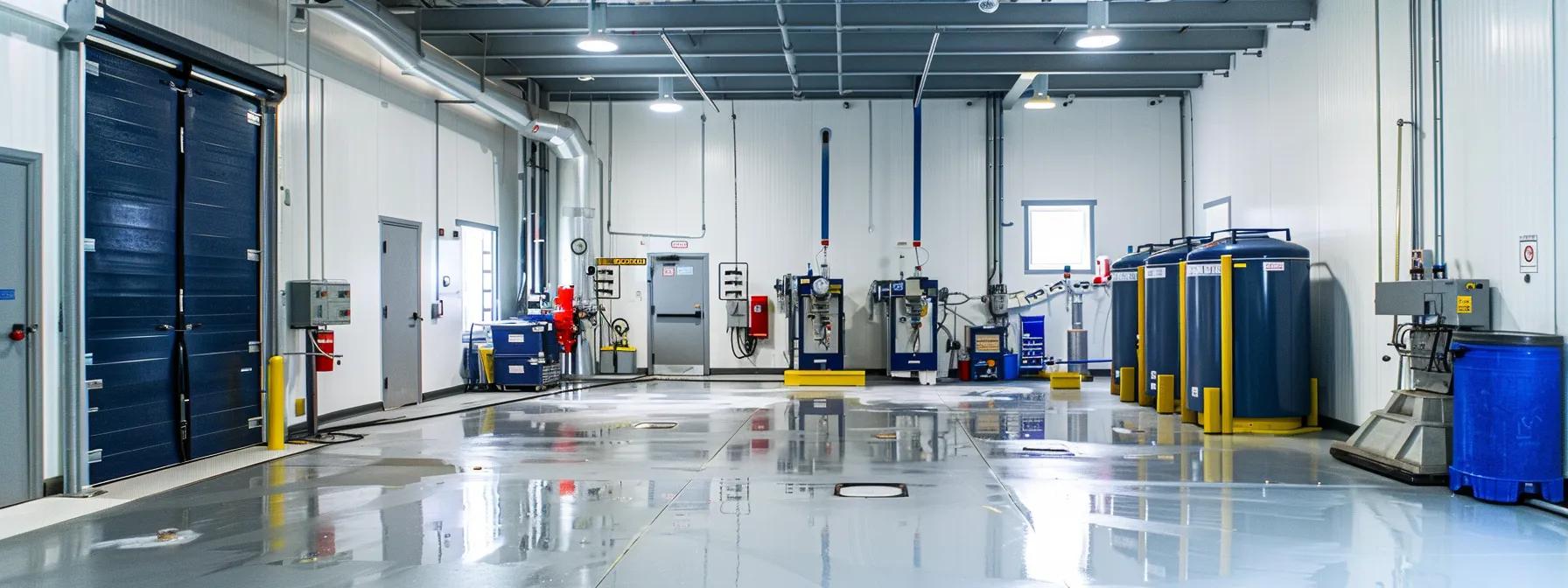
At Thor Basement Waterproofing Kentucky, we tackle mold at its source by keeping water out—plain and simple. As a trusted basement waterproofing company, we use proven interior and exterior solutions to stop moisture before it becomes a problem. From interior drainage systems to exterior barriers, our basement solutions are designed to protect your home where it matters most. We know that mold can’t grow without moisture, so we focus on sealing off every path water might take. Our comprehensive approach to basement waterproofing Kentucky helps create a dry, healthy environment for your family—starting from the ground up.
Interior Waterproofing Solutions for Basements and Crawl Spaces
Interior waterproofing reduces moisture in areas most vulnerable to water intrusion. We install drainage systems, sump pumps, and vapor barriers to channel water away from structural walls and floors. This approach reduces overall indoor humidity and prevents the buildup of standing water. Advanced dehumidification technologies work with our removal systems to keep even residual moisture to a minimum.
Exterior Waterproofing Techniques to Stop Water Entry
Exterior waterproofing prevents water from reaching a building’s interior. Our team applies sealants, improves drainage, and coats foundations to repel water. Techniques such as installing french drains and landscaping adjustments to divert runoff are critical for protecting foundations. This proactive approach is especially important in Kentucky, where unpredictable and intense precipitation can otherwise lead to long-term damage.
Sump Pump Installation and Its Impact on Mold Prevention
Sump pumps are vital in controlling groundwater. They automatically remove excess water from basements or crawl spaces during heavy rains or snowmelt, preventing pools from forming that feed mold. Regular maintenance and warranty-backed installations ensure that sump pumps perform reliably, reducing the risk of ongoing dampness and mold growth.
Foundation Crack Repair by Kentucky Waterproofing Specialists
Cracks in your foundation might seem small, but they can lead to big problems—like water seepage, mold growth, and long-term structural damage. That’s why we take every crack seriously. We carefully inspect each one and use advanced basement crack repair methods, like sealants and injection techniques, to stop water in its tracks and restore the foundation’s strength. At Thor Basement Waterproofing Kentucky, we know that even the tiniest crack can compromise your home’s stability. Our foundation repair solutions are designed to fix the issue at its source, keeping your basement dry and your structure solid for years to come.
Application of Waterproof Sealants and Coatings
The final step in our waterproofing strategy is applying premium waterproof sealants and coatings. These products create an impermeable barrier on surfaces like foundation walls, roofs, and facades. By preventing residual water from penetrating, they protect interiors from moisture buildup. Our sealants are backed by research and enhance the durability and moisture resistance of treated surfaces.
Areas Kentucky Waterproofing Services Secure From Mold
Protecting a property from mold means targeting the most vulnerable areas. Our holistic approach at Thor Basement Waterproofing Kentucky secures basements, crawl spaces, foundations, and even attics to defend against water infiltration and mold growth. These areas are especially at risk due to their close proximity to the ground and exposure to weather.
Protecting Basements With Comprehensive Waterproofing in Kentucky
Basements are a common starting point for mold growth. Our strategy addresses both water entry and humidity control through interior drainage systems, dehumidifiers, and specialized coatings for walls and floors. Keeping basements dry not only prevents mold but also preserves the structure and stored belongings while maintaining improved indoor air quality.
Crawl Space Encapsulation by Kentucky Services for Mold Control
Crawl spaces often hide moisture and are prime sites for mold development. We encapsulate these spaces by sealing them from external moisture and installing vapor barriers to control humidity. This method not only keeps crawl spaces dry but also improves energy efficiency by reducing the seepage of damp air into living areas.
Safeguarding Foundations Through Expert Waterproofing Measures
Foundations exposed to water from the ground or drainage systems require extra protection. We repair cracks, apply seals, and reinforce vulnerable areas to keep water out. By protecting the foundation, we prevent mold growth and add to the overall longevity and value of the property.
Preventing Attic Mold With Proper Ventilation and Sealing
Attic spaces can develop mold if ventilation is poor and moisture builds up against insulation. We improve attic ventilation and install moisture barriers to keep condensation at bay. This dual approach ensures that even areas not directly exposed to water stay mold-resistant, supporting overall indoor air quality and structural health.
Advantages of Engaging Kentucky Waterproofing Professionals for Mold Defense

Engaging professional waterproofing services offers lasting defense against mold. At Thor Basement Waterproofing Kentucky, we deliver comprehensive solutions that address immediate water damage and ensure long-term moisture control. Our expert approach mitigates the risk of mold recurrence while preserving the safety and value of your property.
Achieving Long-Term Protection Against Mold Recurrence
Professional waterproofing creates an environment where mold cannot thrive by sealing the property against water intrusion. Our durable systems significantly reduce the chances of mold returning, even after adverse weather. Regular maintenance and inspections keep your property safeguarded against future moisture challenges.
Improved Indoor Air Quality Following Professional Waterproofing
By preventing water damage and reducing humidity, our waterproofing services also improve indoor air quality. Fewer mold spores lead to healthier living conditions and reduced risks of allergies and respiratory issues, benefiting occupants both structurally and health-wise.
Preserving Your Property’s Structural Integrity
Water infiltration harms a building’s foundation, walls, and ceilings. Our thorough assessments followed by targeted treatments fortify your property against water damage. Preventing this damage is crucial in maintaining the structural integrity and long-term value of your home.
Enhancing Your Home’s Value With Documented Waterproofing Work
Documented waterproofing not only defends against water damage but also adds value to your home. Prospective buyers and insurers appreciate the visible evidence of quality waterproofing, often leading to higher property valuations and greater peace of mind.
Accessing Advanced Techniques From Kentucky Waterproofing Companies
When you work with us, you benefit from the latest technologies in moisture control. We continuously update our methods and materials—including high-performance sealants and moisture barriers—to ensure efficient and long-lasting protection against mold and water damage.
Sustaining a Mold-Resistant Environment Post-Waterproofing
Implementing waterproofing measures is only the first step; ongoing maintenance is essential to keep your environment mold-resistant. At Thor Basement Waterproofing Kentucky, we stress routine inspections and proactive management to control moisture levels over time.
Regular Home Inspections for Early Moisture Detection
Periodic home inspections help detect early signs of moisture changes or water intrusion. These professional evaluations catch small issues before they become serious, ensuring that waterproofing systems continue to function effectively throughout the year.
Maintaining Optimal Indoor Humidity Levels
Keeping indoor humidity within the ideal range of 30% to 50% is crucial. Simple measures like using dehumidifiers, ensuring proper air circulation, and monitoring indoor air with humidity sensors help homeowners prevent conditions conducive to mold growth.
Ensuring Proper Drainage Around Your Property
Effective drainage is as critical as internal waterproofing. Maintaining proper grading, installing french drains, and cleaning gutters regularly ensure that water is directed away from the foundation. This reduces the chance of water seepage and subsequent mold growth.
When to Call Kentucky Waterproofing Services for a Check-Up
Even the best waterproofing can face challenges from aging infrastructure or sudden weather changes. If you notice increased indoor humidity, visible signs of water damage, or a musty odor, contact us immediately. Regular check-ups allow us to address issues quickly—keeping your property protected against both water and mold.
Frequently Asked Questions
Q: What are the main causes of mold growth in Kentucky residences? A: Mold growth is primarily caused by excessive moisture due to water leaks, high humidity, and inadequate drainage. Poor insulation and typical Kentucky weather contribute to persistent dampness, fostering a prime environment for mold.
Q: How does waterproofing help in preventing mold? A: Waterproofing stops water from entering the structure, reducing indoor humidity and water accumulation—critical conditions for mold growth. Our methods, including drainage systems and sealants, minimize moisture-related issues that lead to mold.
Q: What actions should be taken immediately after water damage to prevent mold growth? A: Immediately stop the water source and remove standing water using dehumidifiers and fans. Dry affected areas thoroughly and seek professional waterproofing services quickly to reduce the chances of mold developing.
Q: How often should a property be inspected for moisture and mold issues? A: We recommend having a professional inspection at least once a year and additional checks after severe weather events. Early detection through regular inspections ensures that waterproofing systems remain effective.
Q: Can waterproofing services also improve indoor air quality? A: Yes, by reducing moisture and preventing mold, waterproofing indirectly improves indoor air quality. Fewer mold spores mean reduced respiratory issues and allergies, promoting better overall health.
Q: What areas of a property are most vulnerable to mold due to water infiltration? A: Basements, crawl spaces, foundations, and attics are most vulnerable because they tend to have higher humidity and are more exposed to water leakage. Proper waterproofing and regular maintenance in these areas are essential.
Q: How do professional waterproofing solutions differ from DIY methods in preventing mold? A: Professional solutions use advanced technologies and materials that provide a long-term, effective barrier against water. DIY methods may offer temporary relief but usually lack the thoroughness needed to prevent mold over time. Our integrated approach addresses both visible and hidden moisture issues for lasting protection.