
What to Know About Basement Water Damage: Signs, Causes, and Waterproofing Solutions in Kentucky
Basement water damage affects a significant portion of underground living spaces, leading to mold growth, structural weakening, and health concerns for homeowners and commercial property owners. Understanding these risks lays the groundwork for effective basement waterproofing services Kentucky residents can trust. We’ll explain how to recognize visible and hidden signs, explore the forces and local conditions that cause water intrusion, detail proven interior and exterior waterproofing methods, outline foundation repair strategies, clarify typical costs and financing options, and demonstrate why Thor Basement Waterproofing Kentucky’s expert inspections and customized plans deliver lasting protection. By the end of this guide, you’ll know when damage occurs, why it happens in Granite State soils, how to tackle it with French drains, vapor barriers, dehumidifiers, crack injections and bowing-wall repairs, and what it costs to keep your basement dry.
Common Signs of Basement Water Damage in Kentucky
Basement water damage manifests through visible and olfactory clues when moisture breaches walls or floors, promoting mineral deposits, microbial colonization, and persistent dampness that compromise indoor air quality and structural integrity. Early recognition of these symptoms allows timely intervention and prevents costly repairs. Our team is dedicated to providing expert basement waterproofing to address these issues.
Identifying Efflorescence, Mold, and Musty Smells in Your Basement
Efflorescence appears as white, powdery deposits on concrete or masonry surfaces when water carries dissolved minerals to the air–wall interface. Mold colonies form fuzzy or slimy spots in shaded, damp areas where humidity exceeds 60 percent, releasing spores that generate a musty odor.
- Efflorescence indicates ongoing moisture migration through capillary action.
- Mold growth signals elevated humidity and organic nutrient presence on surfaces.
- Musty smells reflect microbial metabolism of cellulose and dust particles.
Efflorescence, mold patches, and stale odors often coexist, highlighting the need for moisture control and surface sealing to halt progressive deterioration and prepare walls for waterproofing. We offer comprehensive wet basement solutions to combat these common problems.
A Brief Guide to Mold, Moisture, and Your Home
Mold growth is directly linked to moisture control, thriving in indoor environments where relative humidity levels exceed 60%, though growth can begin above 50%. The U.S. Environmental Protection Agency emphasizes that controlling moisture is key to preventing mold, which can cause health problems and damage to homes. Efflorescence, appearing as white, powdery deposits on masonry surfaces, is a visible indicator of moisture migration through porous materials, as water dissolves and transports salts to the surface where they are left behind upon evaporation.
Cracks, Wet Spots, and Peeling Paint Indicate Water Damage
Before addressing remediation, it helps to link surface symptoms with underlying processes:
These defects reveal how groundwater pressure and trapped vapor compromise coatings and concrete, making prompt drainage system installation and crack repair essential for long-term dryness. Our foundation repair basement services are designed to address these critical structural issues.
Detecting Hidden Water Damage and Mold Growth Early
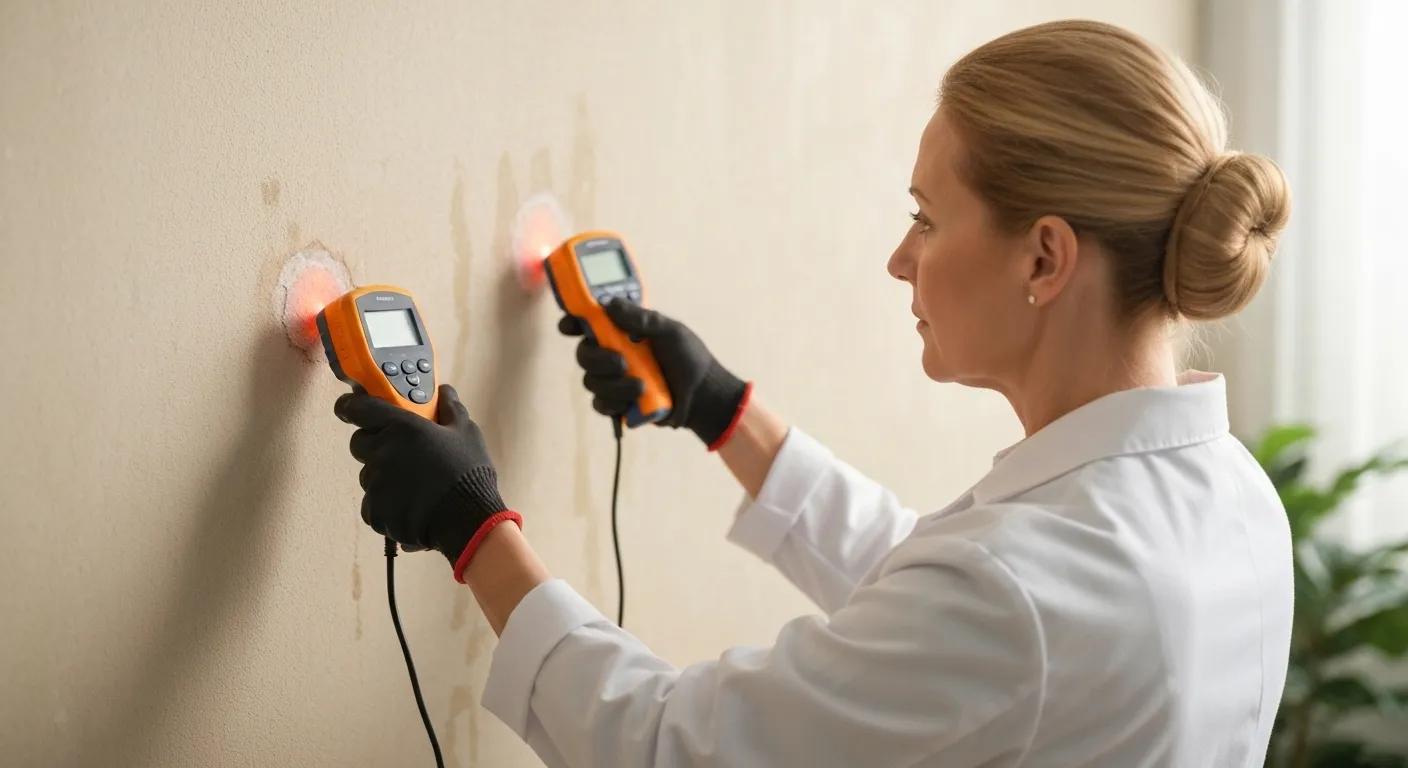
Hidden damage often begins behind insulation or under floor coverings, emerging only when conditions worsen. Installing a hygrometer helps monitor relative humidity trends above 55 percent, while infrared moisture readers reveal cold spots where water accumulates. Discolored carpet backing, warping floorboards, or sudden spikes in utility bills suggest unseen leaks. Regular inspections using moisture meters and thermal imaging cameras support proactive mold remediation and waterproofing planning.
Understanding these concealed indicators leads naturally to examining the fundamental forces and local factors that cause basement water damage.
Causes of Basement Water Damage in Kentucky Homes and Buildings
Basement water damage originates when external and internal factors overwhelm structural defenses, with hydrostatic pressure, foundation vulnerabilities, drainage failures, plumbing leaks, and Kentucky’s unique freeze-thaw soils all playing crucial roles. Recognizing these causes informs targeted waterproofing and foundation stabilization solutions. As experienced waterproofing contractors, we understand these causes intimately.
Hydrostatic Pressure Affects Basement Walls and Floors
Hydrostatic pressure occurs when groundwater exerts force against foundation surfaces, particularly after heavy rain or spring snowmelt. As water accumulates around a basement, it pushes laterally on walls, creating stress that leads to cracks and seepage. Interior drains and sump pumps relieve this force by channeling water away, preventing bowing walls and floor heaving that compromise structural integrity.
Foundation Cracks and Poor Drainage Are Common Water Entry Points
Foundation breaches and ineffective water diversion often coincide:
- Shrunken backfill and soil shifts create voids behind footings.
- Cracks form along construction joints and at points of freeze-thaw settlement.
- Clogged gutters and downspouts allow roof runoff to pool near the foundation.
Poor drainage routes surface water toward the basement rather than away, so combining exterior excavation with proper grading and internal French drains stops water at its entry points and preserves wall integrity.
Kentucky’s Climate and Soil Conditions Contribute to Water Damage
Freeze-thaw cycles in KY soils cause seasonal expansion and contraction of glacial till, generating lateral pressure on foundations and opening micro-fissures. Heavy snow loads followed by rapid melt saturate soil, elevating the water table. These dynamics intensify hydrostatic pressure and accelerate water intrusion, making climate-adapted waterproofing systems—like high-capacity sump pumps and exterior membranes—essential.
Understanding Foundation Issues in Kentucky Due to Climate and Soil
Kentucky’s fluctuating weather patterns, including freezing winters and humid summers, significantly contribute to foundation problems. The region’s soil, particularly expansive clays, undergoes considerable expansion and contraction during freeze-thaw cycles. This, combined with hydrostatic pressure from heavy rainfall and snowmelt, exerts immense force on foundations, leading to cracks, bowing walls, and structural instability.
Leaky Pipes and High Water Tables Contribute to Basement Flooding
Aging plumbing joints and cracked supply lines can drip steadily, maintaining high humidity and eroding mortar joints over time. When the groundwater level climbs above the basement floor, it forces water through even hairline cracks. Addressing plumbing leaks alongside installing interior drainage and sump systems ensures both subterranean and internal sources of moisture are managed effectively.
These underlying causes point toward the most effective waterproofing strategies suited for Kentucky properties.
Most Effective Basement Waterproofing Methods for Kentucky Properties
Effective basement waterproofing prevents water entry by managing soil moisture, redirecting groundwater, sealing foundation surfaces, and controlling indoor humidity. Combining interior and exterior solutions tailored to KY’s climate and soil yields the most durable protection. We specialize in Basement Waterproofing Kentucky, offering comprehensive solutions for your home.
Interior Waterproofing Systems Like French Drains and Sump Pumps
Interior drainage systems capture seeping water at the base of foundation walls and channel it to a collection point beneath the floor slab. A sump pump then expels the water outside, maintaining a dry interior environment. Our team expertly installs these systems to ensure optimal performance. A reliable sump pump system is crucial for any wet basement solutions.
Redirecting water inward simplifies maintenance and complements exterior drainage systems by handling residual seepage efficiently.
Exterior Waterproofing Necessity and Process
Exterior waterproofing becomes critical when hydrostatic pressure is relentless or cracks repeatedly appear. The process includes excavating around the foundation, cleaning and repairing wall surfaces, applying a waterproof membrane or coating, and installing exterior drainage pipes (weeping tiles) beneath gravel backfill. This barrier prevents water from contacting the foundation, eliminating the primary source of intrusion.
Vapor Barriers and Sealants for Moisture Control
Vapor barriers—heavy-duty polyethylene sheets or specialized paints—block ground moisture from migrating through walls and floors, reducing relative humidity below 50 percent. Sealants fill pores and micro-cracks in concrete, stopping vapor transmission at its source. Together, these materials enhance interior climate control and inhibit mold proliferation.
Crawl Space Encapsulation Prevents Basement Water Damage
Encapsulating the crawl space with a continuous vapor barrier and sealing vents stops moisture from rising into the basement floor system and joist framing. Installing a dedicated dehumidifier within the encapsulated area maintains humidity below 55 percent, protecting structural timber and improving indoor air quality. This approach indirectly safeguards the basement from moisture sources below. Our crawl space repair services are a vital part of a comprehensive waterproofing strategy.
Best Dehumidifier Options for Controlling Basement Humidity
Basement dehumidifiers vary by capacity and feature set, matching space size and moisture load:
Selecting the right unit improves air quality, supports mold prevention, and complements structural waterproofing methods.
With water control in place, stabilizing cracked or bowed foundations completes the defense against moisture intrusion.
Foundation Repair Services Prevent and Fix Basement Water Damage in Kentucky
Foundation repair and waterproofing work in tandem: repairing structural flaws removes entry paths, while drainage systems and sealants manage water pressures. Combined, they restore integrity and ensure lasting dryness. Our experienced Basement Waterproofing Kentucky team addresses both aspects for complete protection. We are your trusted waterproofing contractors for all your needs.
Signs That Foundation Repair Is Needed
Warning indicators include horizontal or stair-step cracks wider than 1/8 inch, inward-bowing walls, uneven or heaving floors, jammed doors or windows, and rust stains on anchor plates. These symptoms reflect shifting loads and demand professional evaluation to prevent water infiltration and structural failure.
Crack Injection and Bowing Wall Repair Restore Basement Integrity
Polyurethane or epoxy injections fill foundation fissures, bonding concrete and halting leaks through chemical expansion and adhesion. Carbon-fiber straps or steel braces installed on bowed walls counteract lateral soil pressure, realigning the wall over time. These repairs stabilize the foundation, eliminate seepage points, and prolong waterproofing system performance.
How Foundation Repair Complements Waterproofing Solutions
Foundation repair closes structural breaches and prevents new ones under lateral soil load, ensuring that interior drains and exterior membranes function without constant pressure-induced cracking. Addressing both repair and waterproofing in a coordinated plan guarantees comprehensive protection rather than temporary fixes.
Typical Costs of Basement Waterproofing and Repairs in Kentucky
Budgeting for basement waterproofing and repairs involves assessing project scope, chosen methods, structural complexity, and regional labor rates. Transparent cost estimates guide informed decisions and maximize return on investment. We provide detailed estimates for our Basement Waterproofing Kentucky services.
Factors Influencing Basement Waterproofing Costs in Kentucky
Several variables affect pricing:
- Basement square footage and perimeter length
- Severity of water intrusion and number of repair points
- Choice of interior vs. exterior systems or both
- Soil conditions and excavation complexity
- Accessibility, permits, and local labor rates
Understanding these factors helps homeowners and businesses plan responsibly for effective moisture control.
Average Price Ranges for Common Waterproofing Services
These ranges guide budget planning while recognizing site-specific adjustments may apply.
Financing Options Available for Basement Waterproofing Projects
Several financing avenues improve affordability: home equity lines of credit, personal improvement loans, manufacturer or contractor payment plans, and energy-efficiency tax credits for moisture-control upgrades. Exploring these options spreads investment over time and aligns project scope with financial comfort.
Why Choose Professional Basement Waterproofing Services in Kentucky
Partnering with experienced local contractors ensures that waterproofing systems account for Kentucky’s freeze-thaw soils, heavy precipitation, and code requirements. Professional installations deliver reliable performance, backed by warranties and expert monitoring. We are experts in Basement Waterproofing Kentucky, committed to delivering superior results.
Benefits of Expert Waterproofing Solutions and Long-Term Warranties
Specialized techniques and premium materials yield durable results, often backed by transferable lifetime warranties that enhance property value. Insurance companies may offer reduced premiums for professionally waterproofed basements, and guaranteed coverage provides peace of mind against future moisture threats.
How Local Kentucky Expertise Improves Waterproofing Outcomes
Familiarity with Granite State glacial soils, seasonal groundwater fluctuations, and municipal building codes allows contractors to optimize drainage slopes, select cold-weather-rated membranes, and coordinate with inspectors, ensuring installations perform reliably under local conditions.
What to Expect from a Free Basement Water Damage Inspection
A comprehensive inspection includes visual wall and floor assessments, moisture meter readings, humidity monitoring, plumbing leak detection, and soil grading analysis. The result is a detailed report and a tailored waterproofing proposal outlining recommended methods, materials, and cost estimates.
How Customized Waterproofing Plans Address Unique Property Needs
Every property presents distinct challenges—varying soil composition, foundation age, and basement usage. Thor Basement Waterproofing Kentucky develops bespoke strategies that balance performance, budget, and aesthetics, combining interior drains, exterior membranes, vapor barriers, and climate-appropriate pumps into one cohesive system.
Getting Started with Basement Waterproofing and Water Damage Prevention Today
Initiating basement waterproofing begins with a thorough assessment and clear action plan that prioritizes immediate threats and long-term resilience. Understanding what to expect streamlines the process and ensures effective moisture control from day one. Let our experienced Basement Waterproofing Kentucky team guide you.
What Is Included in a Professional Basement Water Damage Assessment
A full assessment covers structural wall inspections, foundation crack mapping, soil grading review, moisture meter diagnostics, sump pump capacity tests, and an evaluation of existing drainage. These steps yield precise data for designing an efficient waterproofing solution.
Scheduling a Free Inspection with Kentucky Waterproofing Experts
Simply contact Thor Basement Waterproofing Kentucky by phone or through our website to arrange a no-obligation inspection. Our local team coordinates appointments around your schedule, arriving fully equipped to diagnose water entry points and propose tailored remedies.
Maintenance Tips to Keep Your Basement Dry After Waterproofing
After installation, maintain dryness by keeping gutters and downspouts clear, testing the sump pump quarterly, monitoring dehumidifier humidity levels, inspecting sealants annually, and ensuring proper grading around the foundation. Consistent upkeep preserves system performance and protects indoor environments against moisture resurgence.
Thor Basement Waterproofing Kentucky combines local expertise, proven technologies, and customized plans to safeguard basements from water damage. Request your free inspection today and take the first step toward a dry, healthy, and structurally sound property.